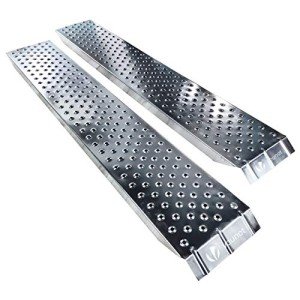

Metal Ramp For Wheelchair
Add a review FollowOverview
-
Founded Date 5 Tháng 7, 1911
-
Sectors Health Care
-
Posted Jobs 0
-
Viewed 21

Company Description
Guide To Wheelchair Ramps For Steps: The Intermediate Guide The Steps To Wheelchair Ramps For Steps
Wheelchair Ramps for Steps: A Comprehensive Guide
Availability is an essential aspect of modern design, as it ensures that everybody, regardless of physical capability, can access buildings and public areas. Wheelchair ramps are important features that facilitate this access, specifically in environments where steps are present. This article will explore the various kinds of ramps, their advantages, aspects to think about when selecting a ramp, and often asked questions to assist you make informed decisions.
Understanding Wheelchair Ramps
A Foldable Wheelchair Ramp ramp is an inclined surface area designed to link various levels, enabling individuals who use wheelchairs, walkers, or other mobility aids to navigate steps securely. They are especially crucial in industrial and residential settings, where barriers such as stairs can hinder access.
Kinds of Ramps
There are several kinds of wheelchair ramps available, each fit to various needs and environments:
| Type of Ramp | Description | Perfect Use Case |
|---|---|---|
| Portable Ramps | Lightweight and simple to transfer | Temporary access or outside occasions |
| Threshold Ramps | Brief ramps created for door thresholds | Homes with small steps or raised doorways |
| Modular Ramps | Prefabricated ramps that can be configured | Long-term solutions for buildings with multiple levels |
| Strong Ramps | Tough permanent setups | Public structures and industrial areas |
| Vehicle Ramps | Developed for loading and unloading automobiles | Transferring mobility devices or personal usage |
Benefits of Wheelchair Ramps
-
Increased Accessibility: Wheelchair ramps supply vital access for those with Mobility Ramps difficulties, ensuring they can get in and exit structures separately.
-
Security: By providing a safe option to steps, ramps help avoid mishaps that can happen when navigating stairs.
-
Improved Independence: With a wheelchair ramp, users can browse places without support, substantially boosting their sense of autonomy.
-
Regulatory Compliance: Many areas have laws needing public buildings to be accessible. Setting up ramps can help organizations fulfill these legal requirements.
-
Increased Property Value: Accessibility functions like ramps can make homes more attractive to potential buyers or tenants.
Key Considerations When Choosing a Wheelchair Ramp
Selecting the best wheelchair ramp requires cautious consideration of various aspects:
-
Length and Incline: The length of the ramp is vital. An advised slope is 1:12 (for every single inch of height, there should be at least 12 inches of ramp run). This guarantees that the ramp is not too high.
-
Width: The ramp should be large enough to accommodate the wheelchair easily. The minimum width is usually 36 inches.
-
Material: Ramps can be found in various products, consisting of aluminum, wood, and rubber. Aluminum is resilient and weather-resistant, making it perfect for outside usage.
-
Weight Capacity: Ensure the ramp can support the weight of the wheelchair and the user. A lot of ramps have a specified weight limitation; choosing one that surpasses expected loads is finest.
-
Place: The positioning of the ramp is essential for use. It ought to be situated where it supplies the most access and safety.
-
Relieve of Installation: Some ramps are portable and need no setup, while others may require expert setup. Think about how typically the ramp will be used and who will utilize it.
Ramp Installation
Setup of wheelchair ramps can vary based upon the kind of ramp selected. Portable ramps generally need little to no setup, while modular and solid ramps may require expert setup.
Setup Steps for Modular Ramps:
-
Measure the Access Point: Determine the height of the steps to compute the ramp length needed.
-
Protect Permissions: Ensure you have any essential permits or authorizations from your local authorities.
-
Install the Base: Attach the base of the ramp firmly to the ground or steps.
-
Put together the Framework: Put together the modular areas according to the producer’s directions.
-
Look for Stability: Ensure the ramp is steady and securely attached before use.
FAQ About Wheelchair Ramps
Q1: Do I need a permit to set up a wheelchair ramp?
A: Many municipalities need permits for setting up wheelchair ramps, especially permanent structures. It’s necessary to inspect local regulations and acquire the needed approvals before setup.
Q2: How do I maintain my wheelchair ramp?
A: Maintenance will depend upon the material. Frequently check for any damage, clean the surface area to avoid slipperiness, and make certain that any bolts or anchors remain secure.
Q3: How can I guarantee the ramp is safe for all users?
A: To optimize safety, make sure the ramp has a non-slip surface, correct handrails, adequate lighting, and meets local building regulations for slope and width.
Q4: Are there grants available for wheelchair ramp construction?
A: Various federal government and nonprofit organizations offer financial help for availability renovations, consisting of wheelchair ramps. Research programs in your location or speak with a local Disability Ramp advocacy group for info.
Q5: Can I utilize a wheelchair ramp with other mobility gadgets?
A: Yes! Most wheelchair ramps are created to accommodate various mobility help, consisting of walkers, scooters, and strollers.
Wheelchair ramps play an essential role in guaranteeing ease of access for individuals with mobility challenges. When picking and installing a ramp, different factors ought to be thought about to ensure security, functionality, and compliance with regulations. By providing accessible entryways, businesses and property owners contribute to a more inclusive neighborhood. With the right information and planning, navigating steps can end up being a smooth experience for everyone.